RED FORT A Historic Landmark of India
Red Fort
The Red Fort, also known as Lal Qila, is one of the most famous historical monuments in India. Located in Delhi, this UNESCO World Heritage Site attracts millions of tourists every year
The Red Fort was built in 1648 by the Mughal emperor Shah Jahan, who also constructed the Taj Mahal. It served as the main residence of the Mughal rulers for nearly 200 years. The fort symbolizes the peak of Mughal architecture and cultural heritage in India.
Constructed using red sandstone, the Red Fort showcases a blend of Persian, Timurid, and Indian architectural styles. Key attractions inside the fort include:
- Diwan-i-Aam (Hall of Public Audience)
- Diwan-i-Khas (Hall of Private Audience)
- Rang Mahal (Palace of Colors)
- Mumtaz Mahal
The massive walls of the Red Fort stretch over 2 kilometers, making it an architectural marvel.
The Red Fort holds great significance in Indian history. Every year on Independence Day (15th August), the Prime Minister of India hoists the national flag here and delivers a speech to the nation. architecto quis delectus perspiciatis.
Red Fort Delhi, Lal Qila history, Red Fort architecture, Mughal monuments India, UNESCO heritage sites in India, tourist places in Delhi, historical monuments of India.
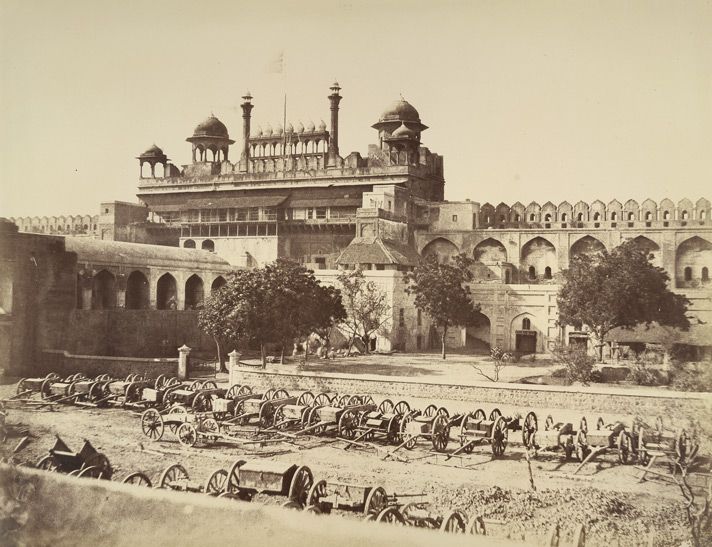
Architecture of Red Fort
The Red Fort is a masterpiece of Mughal architecture, blending Persian, Islamic, and Indian styles. Built using red sandstone, the fort covers an area of about 254 acres.
Key Architectural Features:
- Massive Defensive Walls: Stretch over 2.4 km with heights up to 33 meters
- Lahori Gate: The main entrance, facing the bustling market of Chandni Chowk
- Delhi Gate: Another grand entrance used for ceremonial purposes
Important Structures Inside the Fort:
- Diwan-i-Aam – Hall where the emperor addressed the public
- Diwan-i-Khas – Private hall for royal meetings
- Rang Mahal – Residence of royal women
- Mumtaz Mahal – Now a museum
- Khas Mahal – Emperor’s private palace
A unique feature is the Nahr-i-Behisht (Stream of Paradise), a water channel that once flowed through the palaces.
Cultural and Political Significance
The Red Fort is deeply connected to India’s identity and independence.
Every year on Independence Day (August 15), the Prime Minister of India hoists the national flag from the fort’s ramparts and addresses the nation. This tradition began after India gained independence in 1947.
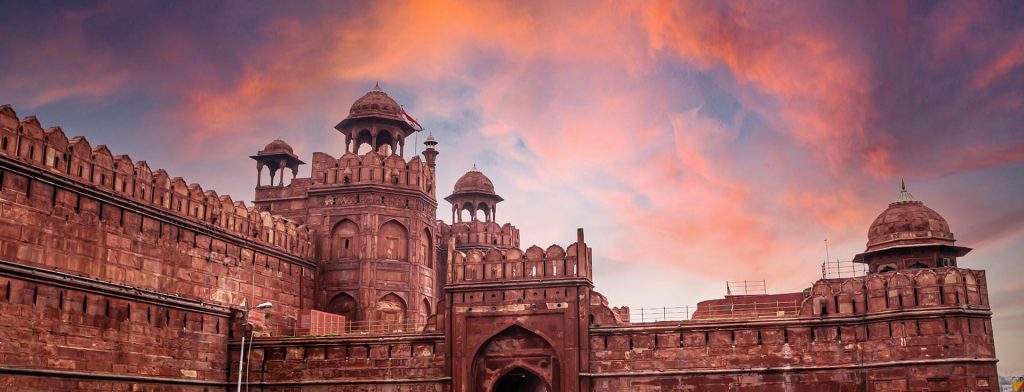
Red Fort as a Tourist Attraction
Today, the Red Fort is one of the most visited monuments in India. Tourists can explore its museums, gardens, and historic halls.
Things to Do:
- Attend the Light and Sound Show depicting Mughal history
- Visit museums showcasing Mughal artifacts
- Explore nearby attractions like Jama Masjid and Chandni Chowk