Konark Sun Temple History
The Konark Sun Temple, located in the coastal state of Odisha, is one of India’s most remarkable architectural and cultural landmarks. Built in the 13th century, this temple is dedicated to Surya, the Sun God, and reflects the brilliance of ancient Indian craftsmanship.
Origin and Construction
The temple was constructed during the reign of King Narasimhadeva I of the Eastern Ganga dynasty around 1250 CE. It was designed as a colossal chariot for the Sun God, complete with intricately carved stone wheels, pillars, and walls.
The structure was built using massive blocks of stone, and the entire temple was oriented in such a way that the first rays of the rising sun would strike the main entrance.
Architectural Significance
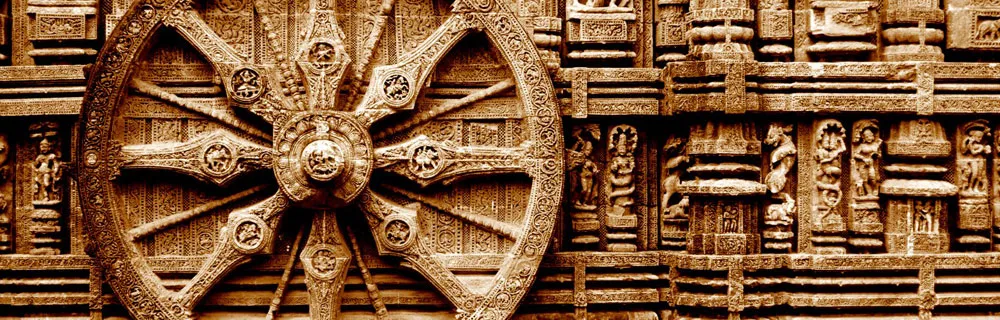
The Konark Sun Temple is designed in the shape of a grand chariot with 24 elaborately carved wheels and seven horses pulling it. Each wheel is not just decorative but also functions as a sundial, showcasing the advanced scientific knowledge of the time.
The temple walls are covered with detailed carvings that depict:
- Daily life in ancient India
- Mythological stories
- Royal court scenes
- Dance and music traditions
This artistic richness makes it a masterpiece of Indian temple architecture.
Decline and Ruin
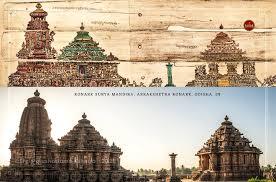
Over time, the temple fell into ruin due to natural calamities, structural issues, and possible invasions. The main sanctum, which once housed a massive idol of the Sun God, has collapsed. However, many parts of the temple still stand and continue to attract visitors from around the world.
There are also local legends suggesting that the temple had a powerful magnetic structure at its peak, although there is no solid historical evidence to support this claim.
UNESCO Recognition
The Konark Sun Temple was declared a World Heritage Site by UNESCO in 1984. This recognition highlights its global importance as a cultural and historical treasure.
Cultural Importance
The temple is not just an architectural wonder but also a symbol of Odisha’s rich cultural heritage. It is closely associated with classical dance traditions, especially the famous Konark Dance Festival held annually near the temple complex.